TORONTO FOOD CRAWL
Toronto Banh Mi Food Crawl: 4 Practical Routes
Toronto is too large for one sandwich marathon. These four compact routes group worthwhile bánh mì stops by neighbourhood, making it easier to compare bread, fillings, pâté and pickles without spending the day crossing the city.
Route 1: Chinatown and Kensington Market
Nguyen Huong → Banh Mi Ba Le
Begin at Nguyen Huong on Spadina Avenue with a classic cold-cut bánh mì. Walk south and east through Chinatown to Banh Mi Ba Le on Dundas Street West for a second traditional reference point. Comparing the bread, pâté, pickles and chilli at two long-running shops is the heart of this route.
322 Spadina Ave → 538 Dundas St W
Optional finish: Banh Mi Boys
If you still have room, head toward Queen West for a more contemporary sandwich. The change in style makes the final stop feel distinct rather than repetitive.
392 Queen St W
Route 2: Bloor Street café crawl
Rustle & Still → Banh Mi Journey
Start at Rustle & Still, where Vietnamese coffee and carefully built sandwiches suit a relaxed first stop. Continue east along Bloor to Banh Mi Journey. This route works especially well for mixed groups because vegetarian choices are easier to find.
605 Bloor St W → 706 Bloor St W area; confirm the current Journey branch before travel
Route 3: Scarborough specialists
Banh Mi Metro → Banh Mi Nguyen
Scarborough rewards a dedicated trip. Try a grilled or lemongrass filling at Banh Mi Metro, then visit Banh Mi Nguyen for a shop known to sell through popular items. Travelling by car is simplest; by transit, allow extra time and treat this as a half-day outing.
2055 Lawrence Ave E → 3376 Kennedy Rd #3
Route 4: Downtown new-wave crawl
Hanoi Bites → And Bánh Mì → Banh Mi Boys
Begin inside Waterworks Food Hall at Hanoi Bites, continue to And Bánh Mì on Elm Street, then finish on Queen West. This route shows how Toronto cooks reinterpret the sandwich for food halls, lunch counters and modern fast-casual dining.
50 Brant St → 13 Elm St → 392 Queen St W
How to get more from the crawl
Share each order
Half a sandwich per person keeps the tasting enjoyable and lets you compare more stops.
Order a baseline
Choose a house special or cold-cut bánh mì first, then add a grilled or vegetarian option.
Compare the details
Notice crust, crumb, pâté, mayonnaise, pickle acidity, herbs, chilli and filling-to-bread balance.
Before you go
- Check official websites or social pages on the day; hours and sell-outs change.
- Bring water and napkins, especially if ordering chilli.
- Keep each route to two or three full sandwiches between two people.
- Use the TTC by corridor instead of trying to combine Scarborough and downtown in one crawl.
Frequently asked questions
Which Toronto route is best for a first visit?
Chinatown and Kensington offer the clearest introduction to classic Toronto bánh mì and are easy to combine with sightseeing.
Which route is best for vegetarian diners?
The Bloor route has the strongest concentration of clearly described tofu and mushroom choices. Always confirm sauces and spreads if you need a fully vegan meal.
Can I complete all four routes in one day?
It would mean too much travel and food. Pick one route, or combine Chinatown with downtown if you have a full day.
Related guides
Continue exploring bánh mì in Toronto
Continue with a closely related city guide, a practical food route or the wider shop directory.
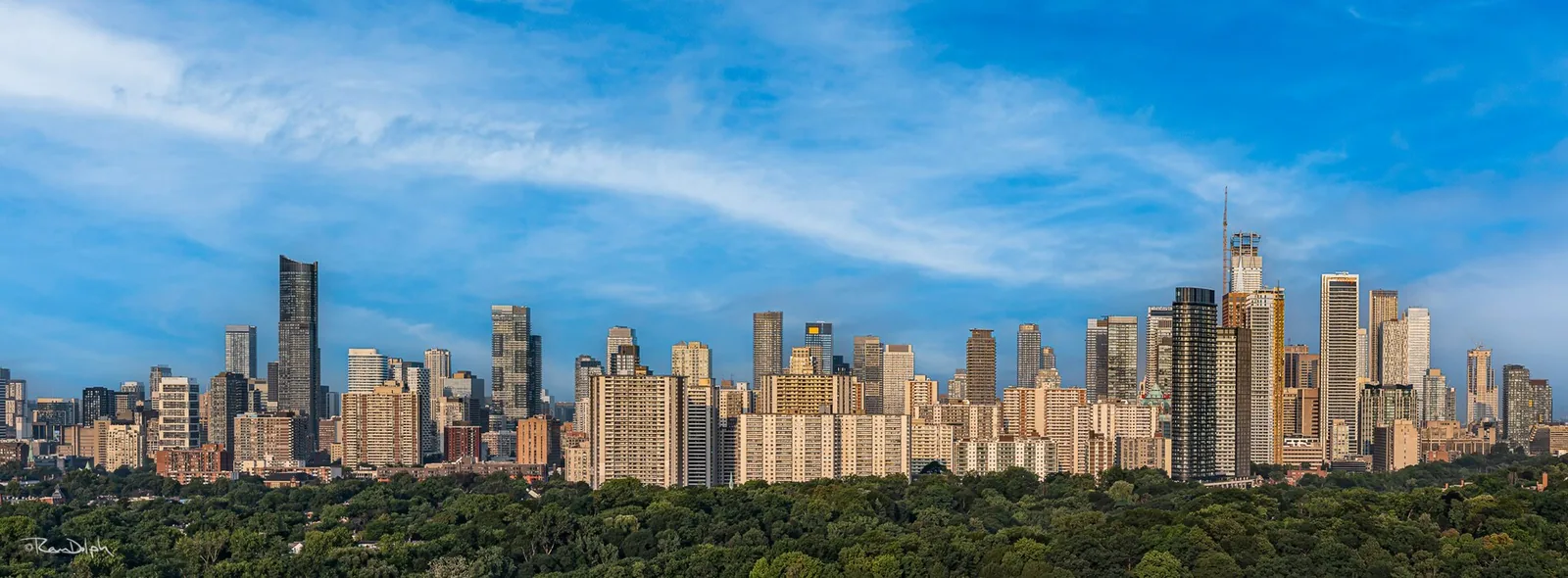
History and sights along the way
Toronto’s routes reveal how food districts form around markets, transit and immigration. Keep the downtown clusters walkable, and treat Scarborough as a separate outing rather than trying to cross the city between bites.
Kensington Market and Spadina
Kensington Market’s narrow streets and Victorian houses sit beside the long-established Chinatown on Spadina. Together they show successive waves of migration, small-scale retail and neighbourhood activism.
Bloor Street and Koreatown
The Bloor route passes one of Toronto’s best-known immigrant business corridors. Look for older main-street shopfronts and use nearby Christie Pits as a green rest stop.
Old City Hall and Nathan Phillips Square
The downtown branch can include a compact architecture stop: Romanesque Old City Hall faces the modern civic square and Toronto City Hall. The contrast makes an easy twenty-minute pause.
Plan the pause: Choose one or two sights, check current access and opening times, and keep at least 30–45 minutes between shared sandwiches. Historic districts are living neighbourhoods, so support local businesses and ask before photographing people or interiors.